Beyond the ordinary
This is where our journey begins. Get to know our business and what we do, and how we're committed to quality and great service. Join us as we grow and succeed together. We're glad you're here to be a part of our story.
Disclaimer
We are not a licensed cosmetologist, dermatologist, or medical professional. The hair care tips and products we share are based on general hair care knowledge and are intended for educational purposes only. Results can vary depending on your hair type, scalp condition, lifestyle, and overall health.
Before using any new hair product, perform a patch test to check for irritation or an allergic reaction. If irritation occurs, discontinue use immediately.
If you are experiencing significant or sudden hair loss, bald patches, severe dandruff, persistent scalp itching, painful scalp inflammation, sores or open wounds, bleeding, signs of infection, or any other ongoing scalp or hair concerns, please consult a licensed dermatologist, trichologist, or healthcare professional. These conditions may be caused by underlying medical issues that cannot be treated with over-the-counter hair care products.
Our products are designed to support healthy hair care and scalp maintenance, but they are not intended to diagnose, treat, cure, or prevent any disease or medical condition.

Greasy or Dry Hair?
Greasy and dry hair can sometimes be caused by overwashing. This doesn't mean you shouldn't shower—it simply means you don't need to shampoo and condition your hair every day. For many people, washing with shampoo and conditioner 2–3 times a week is enough, although the ideal frequency depends on your hair type, scalp, and lifestyle. Your scalp naturally produces oils (sebum) that help moisturize, protect, and keep your hair healthy. Allowing these natural oils to do their job can help improve your hair's overall health while reducing excessive dryness or oiliness.
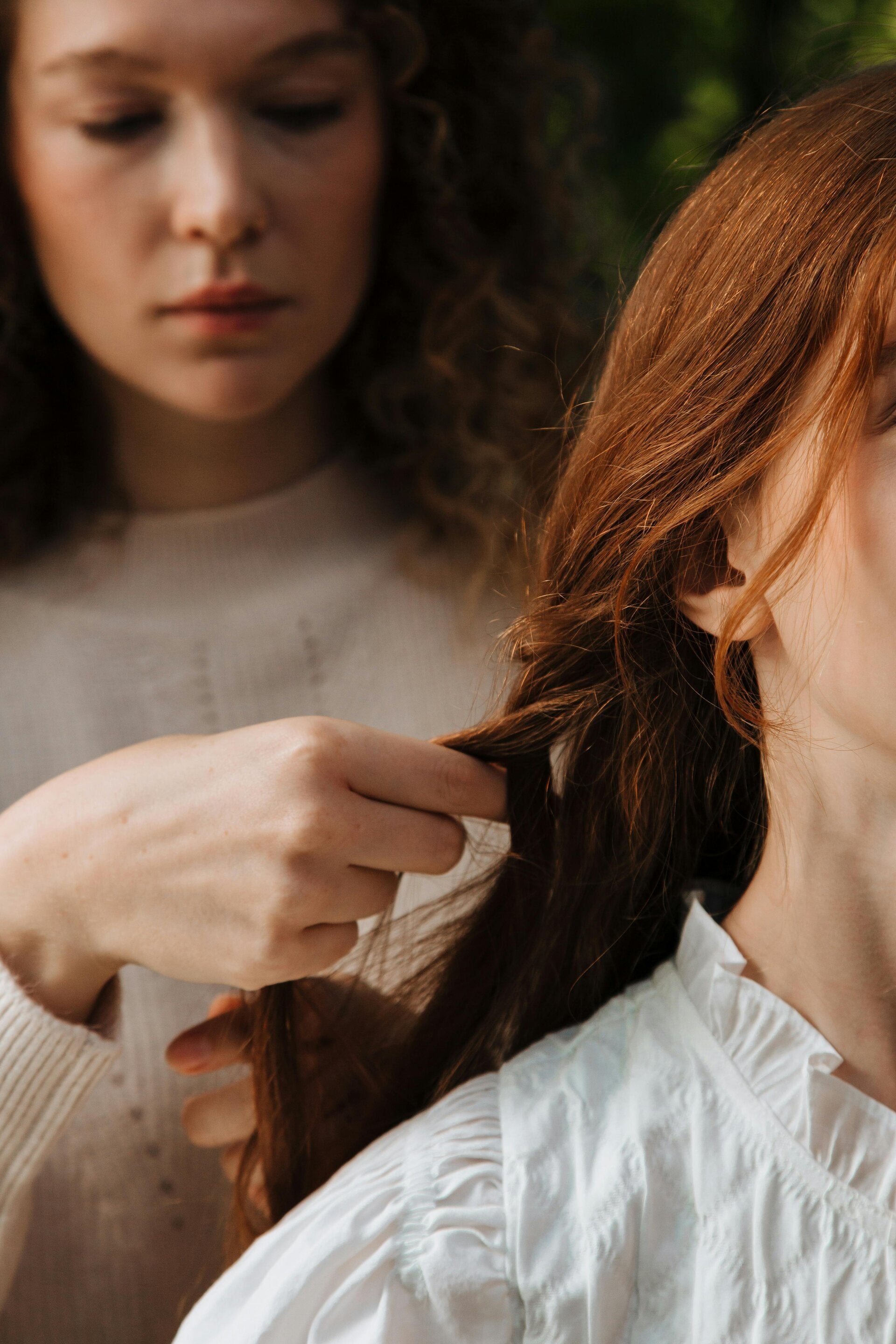
Unable to grow?
Three Things You Can Do to Maintain Healthy Hair and Reduce Hair Loss
- Prevent breakage.
Minimize heat styling, avoid overly tight hairstyles, use a wide-tooth comb on wet hair, and trim split ends regularly to keep hair strong and reduce breakage. - Take care of your scalp.
A healthy scalp promotes healthy hair growth. Massage your scalp with nourishing oils if they work for your hair type, and wash your hair as needed to remove excess oil, dirt, and product buildup without over-drying your scalp. - Eat a healthy, balanced diet.
Hair growth depends on proper nutrition. Make sure you're getting enough protein, iron, zinc, omega-3 fatty acids, and vitamins such as biotin and vitamin D to support healthy hair.
Note: While these habits can help maintain healthy hair and reduce breakage, they may not stop all hair loss. Hair thinning can also be caused by genetics, hormonal changes, stress, certain medications, or medical conditions. If you're experiencing significant or sudden hair loss, it's a good idea to consult a healthcare professional or dermatologist.
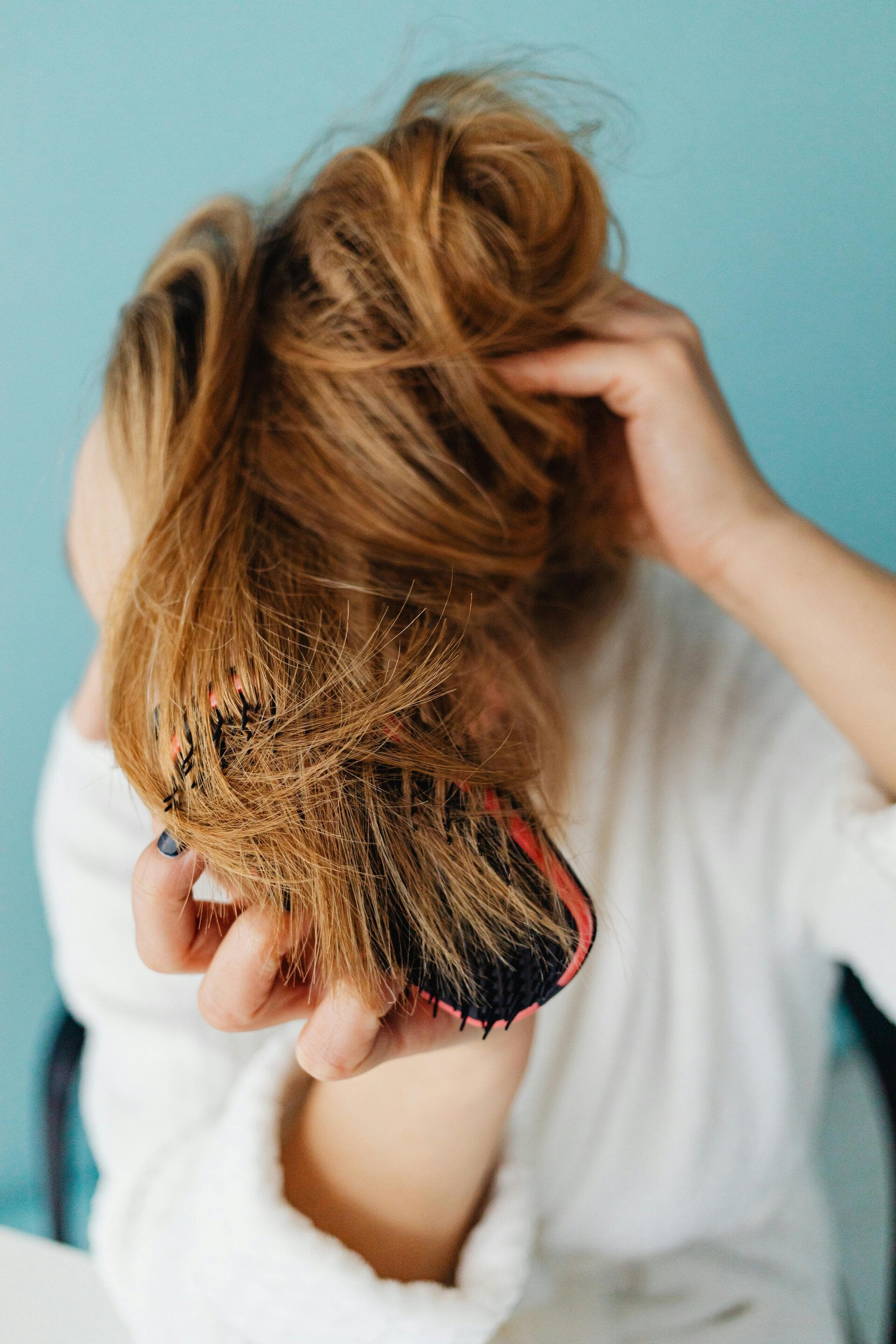
Breakage?
To prevent hair breakage, it's important to keep your hair moisturized. Dry hair is more prone to split ends, which can travel up the hair shaft and lead to further breakage if left untreated. Second, reduce the amount of heat styling you use. There are plenty of ways to create cute hairstyles without heat, but if you do use hot tools, keep the temperature as low as possible and always apply a heat protectant beforehand. Lastly, handle your hair gently. Avoid pulling, tugging, or roughly brushing your hair, as this can cause breakage, increase frizz, and weaken your strands over time.